
Understanding the Impact of Forever Chemicals
DZ
What Are Forever Chemicals?
Forever chemicals, technically known as per- and polyfluoroalkyl substances (PFAS), are a group of human-made chemicals that have been used in various industries since the 1940s. These substances are valued for their resistance to heat, water, and oil, making them ideal for products like non-stick cookware, water-repellent clothing, and firefighting foams.
Despite their widespread use, these chemicals are notorious for their persistence in the environment and the human body. They do not break down naturally, leading to their nickname "forever chemicals." As a result, they can accumulate over time, raising significant environmental and health concerns.
Environmental Impact of Forever Chemicals
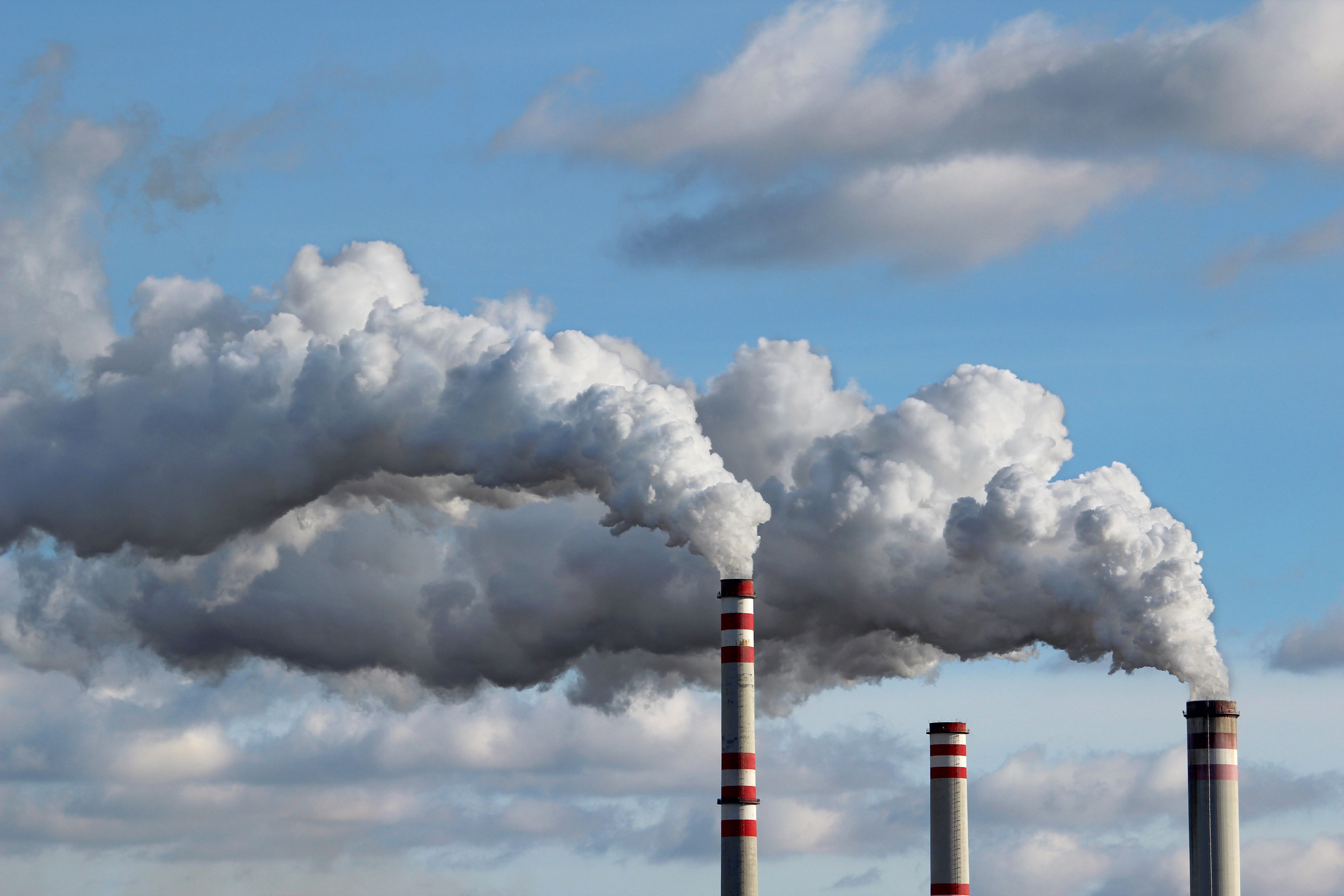
PFAS contamination has been detected in water sources, soil, and air globally. These chemicals can travel long distances through the environment, contaminating drinking water supplies and agricultural lands. As they accumulate, they can disrupt ecosystems and harm wildlife.
Biomagnification is a critical concern, where these chemicals concentrate in the food chain, affecting animals and humans. Studies have shown that PFAS can lead to adverse effects on the growth, reproduction, and survival of various species.
Human Health Concerns
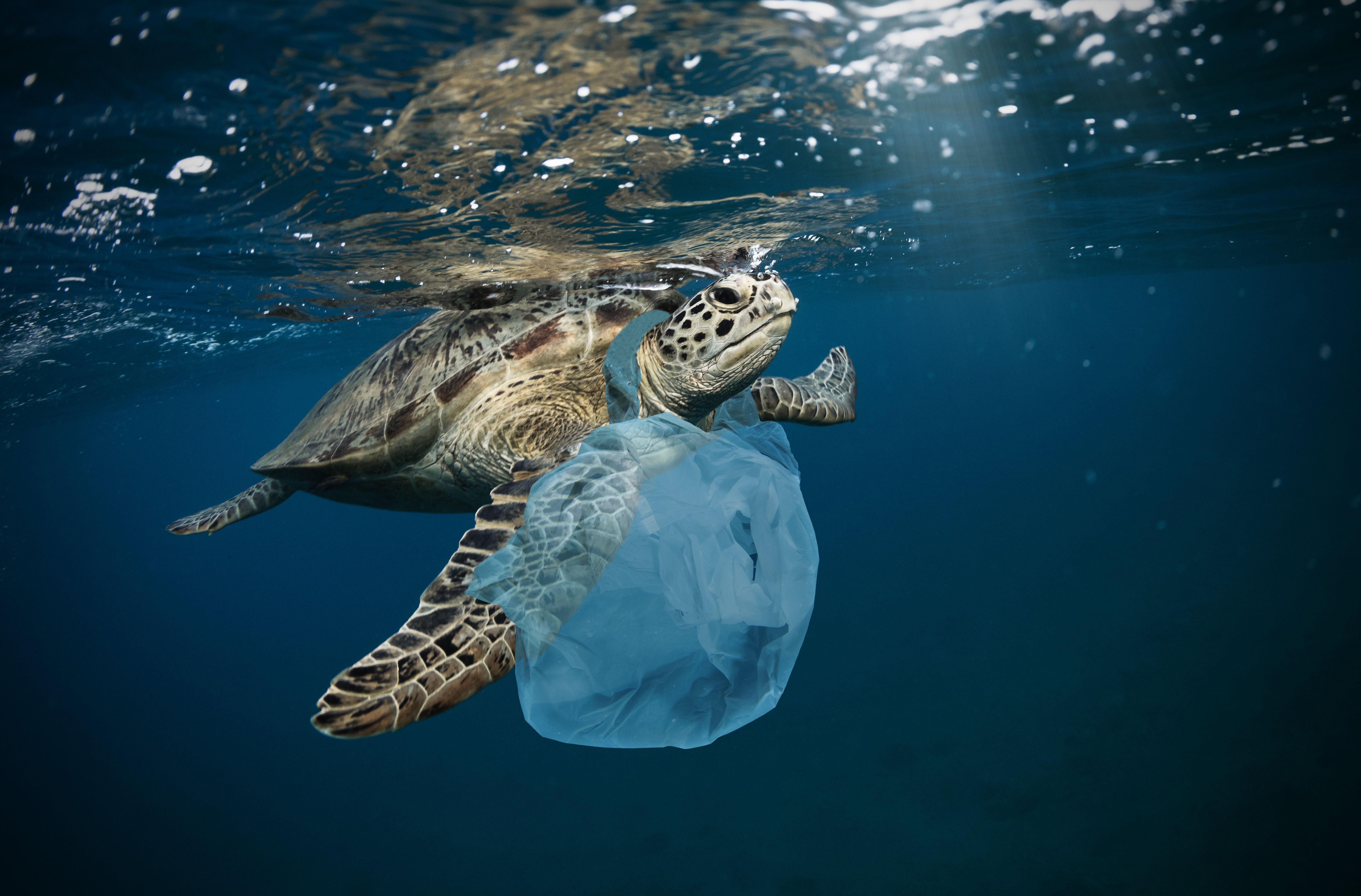
Exposure to PFAS is linked to several health issues. Research suggests potential links to cancer, hormone disruption, immune system impairment, and developmental problems in children. These health risks have prompted calls for stricter regulations and better monitoring of PFAS levels in consumer products and the environment.
Communities living near contaminated sites are particularly at risk. Efforts are being made to provide them with clean water and to remediate contaminated areas, but it remains a challenging and costly process.

Regulatory Efforts and Challenges
Governments worldwide are taking steps to address the impact of forever chemicals. Some countries have set limits on PFAS concentrations in drinking water, while others have banned specific types of PFAS. However, the sheer number of these substances and their widespread use make regulation complex.
Advocacy groups are pushing for comprehensive legislation, but challenges remain due to the high costs associated with testing and remediation. Industry stakeholders are also exploring alternatives to PFAS in manufacturing processes, aiming to reduce reliance on these persistent chemicals.
What Can Individuals Do?
Individuals can play a role in reducing PFAS exposure. Here are some steps you can take:
- Check product labels and opt for PFAS-free options.
- Use water filters certified to remove PFAS from drinking water.
- Support policies and initiatives aimed at reducing PFAS contamination.
By staying informed and making conscious choices, individuals can contribute to mitigating the impact of forever chemicals. Collective action can drive change and encourage industries to adopt safer alternatives.